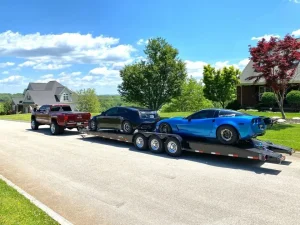

Door-to-door auto transport is a convenient option for customers who want their vehicle picked up and delivered at locations near their specified addresses. Rather than traveling to a distant terminal, you can coordinate pickup and delivery around accessible locations and carrier availability. Suburban Vehicle Shippings helps customers explore door-to-door vehicle transportation for local, regional, and interstate moves.
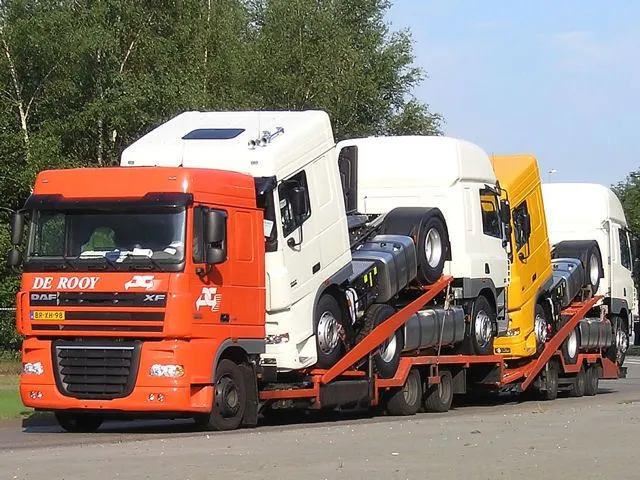
Arranging vehicle transportation involves more than moving a car from one city to another. Customers must also consider how to get the vehicle to the carrier, how to collect it at the destination, and how to coordinate these arrangements with work, family responsibilities, or a relocation schedule.
Door-to-door auto transport is intended to make this process more convenient. Instead of requiring you to arrange transportation to a central shipping terminal, the service coordinates vehicle pickup and delivery at or near your requested addresses, subject to road access, safety requirements, and carrier availability.
Suburban Vehicle Shippings helps customers explore door-to-door vehicle shipping options that fit their routes and scheduling needs. Whether you are moving to another state, purchasing a vehicle remotely, or arranging transportation for a family member, this service can reduce the need for additional travel related to vehicle collection.
Door-to-door auto transport is a shipping arrangement in which a carrier collects a vehicle near the agreed pickup address and delivers it near the agreed destination address.
The precise pickup and delivery points depend on the locations involved. Large transport trucks and trailers may not be able to access narrow residential streets, low-clearance structures, restricted communities, busy downtown areas, or roads with parking restrictions.
When direct access is not practical, the carrier and customer may coordinate a nearby safe and accessible meeting point. This could be a suitable parking area or another location that permits the carrier to load or unload the vehicle safely.
Customers should understand these limitations when requesting a quote and provide accurate address information to help identify potential access issues in advance.
One of the main benefits is convenience. You may not need to drive your vehicle to a distant terminal or arrange a separate trip to collect it from a shipping facility.
Door-to-door shipping can also simplify relocation planning. If you are moving for a new job, transferring between homes, or purchasing a vehicle from another region, coordinating pickup and delivery around your schedule can reduce logistical complexity.
Another advantage is communication. Confirming pickup and delivery locations in advance helps everyone understand where the vehicle will be exchanged and what access conditions may affect the arrangements.
This service can be paired with open or enclosed transport, depending on the options available for your route and vehicle.
Door-to-door transport may be helpful for individuals and families relocating between cities, professionals moving for work, online car buyers, vehicle sellers, students moving between home and school, and people who cannot easily drive a vehicle to a terminal.
It can also be useful for households coordinating multiple transportation arrangements during a move.
The service is not necessarily available at the exact curbside location requested in every situation. Carrier size, street restrictions, traffic, weather, and local safety rules can affect access. Discuss any concerns about your address when arranging the shipment.
Begin by providing the pickup and delivery addresses, vehicle information, and your preferred shipping dates. Explain any access restrictions, such as narrow roads, gated communities, steep driveways, or limited parking.
Next, review the proposed shipping arrangements and confirm the pickup window, delivery expectations, cost, payment terms, and applicable cancellation conditions. Make sure you understand how scheduling updates will be communicated.
Before pickup, prepare the vehicle as instructed. Remove personal items, document its condition with photographs, and have the keys and required paperwork ready.
At pickup, coordinate with the carrier at the agreed location and review the vehicle inspection documentation. Remain available for updates during transit and confirm the delivery location before the vehicle arrives.
At delivery, inspect the vehicle and record any apparent discrepancies before signing the relevant delivery documents, following the applicable carrier procedures.
Accurate information is important for a smooth pickup and delivery process. Provide complete addresses, working contact details, vehicle dimensions if relevant, and any special handling requirements. If your dates are flexible, communicate that when requesting a quote.
Suburban Vehicle Shippings helps customers understand their available vehicle transportation options and organize the details needed for a shipment.
Find answers to some common questions about car shipping and vehicle transportation.
Car shipping costs depend on the distance, vehicle size and condition, transport type, route, season, pickup accessibility, and scheduling requirements. Contact Suburban Vehicle Shippings at (361) 301-3706 for a quote based on your shipment details.
Open transport carries vehicles on open-air trailers and is commonly selected for standard cars. Enclosed transport places vehicles inside a covered trailer, offering additional protection from weather and road debris.
Door-to-door service depends on road access, local restrictions, carrier availability, and safety considerations. If a large transport truck cannot safely reach your exact address, a nearby accessible pickup or delivery point may be arranged.
Transit time varies according to the route, distance, weather, traffic, carrier schedule, and pickup or delivery conditions. Ask for an estimated timeframe when arranging your shipment and confirm how delays will be communicated.
Remove personal belongings and unnecessary accessories, clean the vehicle sufficiently to document its condition, secure loose components, and keep fuel at the level requested by the carrier. Photograph the vehicle before pickup and retain a copy of the inspection and shipping paperwork.