
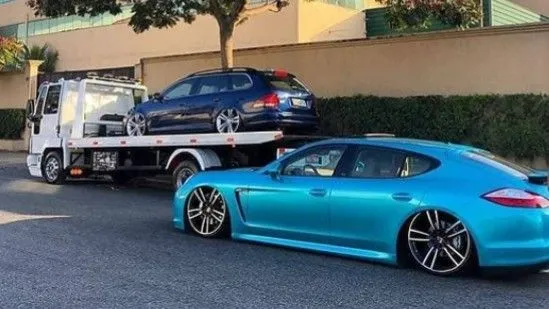
When arranging vehicle shipping, one of the first decisions is choosing between open car transport and enclosed car transport. Both options can move a vehicle between destinations, but they offer different levels of environmental protection, availability, and pricing.
The right choice depends on your vehicle, budget, route, schedule, and personal preferences. Understanding the differences can help you select a service that meets your needs without paying for features you may not require.
What Is Open Car Transport?
Open car transport uses a carrier without a fully enclosed cargo area. Vehicles are secured to an open trailer and transported alongside other vehicles when the trailer configuration permits.
This is a widely used method for shipping standard cars, SUVs, and many other eligible vehicles. It is commonly selected for relocations, dealership transfers, online vehicle purchases, and interstate moves.
One of its main advantages is practical availability. Open carriers operate on many vehicle shipping routes, although availability and pickup schedules vary.
Open transport is also often less expensive than enclosed transport, but the final price depends on route demand, vehicle dimensions, season, scheduling, and other shipment details.
Because the trailer is open, the vehicle remains exposed to outdoor weather and road debris. This is an important consideration for owners who have special protection requirements.
What Is Enclosed Car Transport?
Enclosed car transport uses a covered trailer to carry vehicles inside a protected cargo area.
The roof and enclosed sides help reduce direct exposure to rain, dust, road debris, and other environmental elements. This can make enclosed transport attractive to owners of classic cars, luxury vehicles, collectible automobiles, and vehicles with specialized finishes.
Some enclosed carriers also provide equipment or loading arrangements suited to particular vehicle requirements. However, the exact equipment and handling procedures depend on the carrier.
Enclosed shipping typically costs more than open transport because specialized trailers can have higher operating costs and different capacity limitations. Availability may also be more restricted on some routes.
Although enclosed transport provides additional environmental protection, it does not eliminate all transportation risks. Customers should still review carrier credentials, insurance arrangements, and inspection procedures.
Comparing Open and Enclosed Transport
Cost
Open transport is often the more economical option for standard vehicles. It is widely used, and many customers choose it when balancing transportation cost with practical shipping requirements.
Enclosed transport generally costs more. The price difference varies by route, vehicle, timing, and carrier availability.
When comparing quotes, look beyond the headline price. Confirm the included services, payment terms, estimated schedule, and any additional charges that may apply.
Vehicle Protection
Open carriers expose vehicles to outdoor conditions during transit. This is generally acceptable for many everyday vehicles, but it may not be the preferred option for a particularly valuable or delicate automobile.
Enclosed carriers provide a covered environment that helps reduce exposure to weather and road debris.
If your vehicle has rare paintwork, a restored finish, unusual bodywork, or high collectible value, the additional protection may be worth considering.
Availability and Scheduling
Open transport is common on many routes, which can provide more options in some circumstances. However, carrier availability is never guaranteed.
Enclosed transport may have fewer available carriers on particular routes, especially where specialized transportation demand is limited.
If you have a strict schedule or need to transport a vehicle with unusual requirements, begin planning early and confirm the estimated pickup window.
Vehicle Type
Open transport is commonly suitable for everyday sedans, family vehicles, and many SUVs.
Enclosed transport may be preferable for classic cars, exotic vehicles, luxury models, and collectible automobiles. It can also be considered for vehicles whose owners want additional environmental protection.
Vehicles that are oversized, modified, inoperable, or unusually low to the ground may require specialized arrangements regardless of transport type.
Which Option Is Best for Your Situation?
Consider open transport if you are shipping a standard daily driver, purchasing a used vehicle from another state, or moving a car while managing a relocation budget.
Consider enclosed transport if you are shipping a classic car, an exotic vehicle, a collectible automobile, or a car with a finish that warrants additional protection.
Neither service is automatically the right answer for every customer. Assess your vehicle’s condition and value, the distance, the available budget, and the type of protection you prefer.
Questions to Ask Before Booking
Before confirming your shipment, ask the transportation provider:
- What type of carrier will transport my vehicle?
- What is included in the quoted price?
- What are the estimated pickup and delivery windows?
- What insurance or cargo coverage applies?
- Are there special requirements for my vehicle?
- How will the vehicle’s condition be documented?
- What happens if the schedule or price needs to change?
Clear answers help you understand the arrangements before committing to a shipment.
Make an Informed Vehicle Shipping Decision
Choosing between open and enclosed car transport becomes easier when you understand the trade-offs. Open shipping can be a practical option for many everyday vehicles, while enclosed transport offers additional protection for vehicles with more specialized needs.