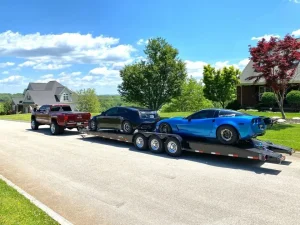

State-to-state auto transport helps customers move vehicles between destinations across state lines without driving the entire distance themselves. Whether you are relocating, purchasing a car from another state, or arranging transportation for a second vehicle, Suburban Vehicle Shippings helps you explore interstate shipping arrangements suited to your route and requirements.
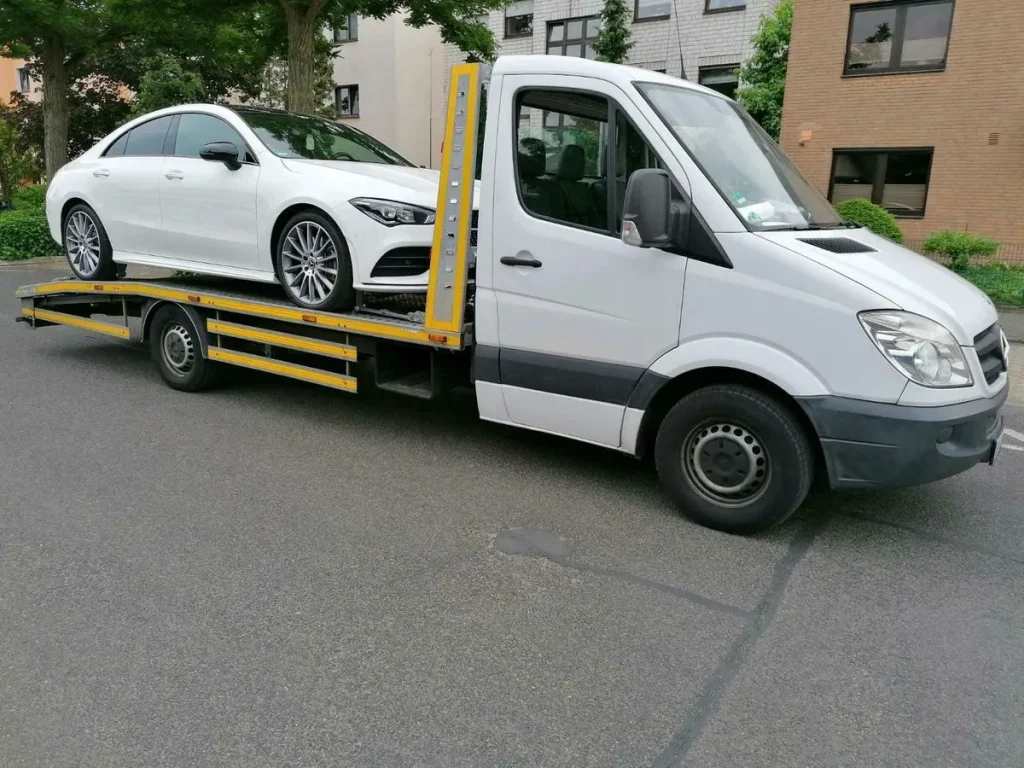
Moving a vehicle between states can involve significant time, mileage, and coordination. A long-distance drive may require fuel stops, overnight accommodation, schedule changes, and additional wear on the vehicle. If you are already managing a household relocation or coordinating a vehicle purchase, making the entire drive yourself may not be practical.
State-to-state auto transport offers an alternative by arranging for a carrier to move your vehicle between your chosen pickup and delivery locations. Suburban Vehicle Shippings helps customers explore interstate vehicle transportation options based on the vehicle, route, scheduling requirements, and preferred transport method.
Whether your move begins in Texas or involves another eligible route, understanding the shipping process can help you prepare more effectively and make informed decisions.
State-to-state auto transport is the transportation of a vehicle from one state to another using a professional vehicle carrier.
The service can support many situations, including residential relocations, employment transfers, college moves, online vehicle purchases, dealership transfers, and seasonal travel. Depending on the shipment, customers may choose open transport or enclosed transport, with pickup and delivery arrangements coordinated separately.
Interstate shipments require consideration of distance, route conditions, carrier schedules, and the accessibility of the pickup and delivery locations. Some routes may have more carrier availability than others, and delivery estimates can change due to weather, traffic, mechanical issues, or other circumstances.
For this reason, customers should review the estimated pickup window and delivery timeframe rather than assuming that a vehicle will arrive on an exact date unless a specific commitment has been confirmed in writing.
One of the primary benefits is reduced driving responsibility. You can arrange for your vehicle to travel separately while you focus on moving, work, travel, or other obligations.
Shipping may also help limit additional mileage and tire wear associated with a long-distance drive. It can be particularly useful for vehicles being purchased remotely or for households that need to move more than one vehicle.
Another advantage is flexibility. Depending on route availability and shipment requirements, you may be able to choose between open and enclosed carriers and coordinate pickup and delivery around your relocation plans.
The best option depends on your vehicle, budget, preferred timing, and protection requirements. Comparing the full transportation quote with the potential costs of driving yourself can help you evaluate the alternatives.
State-to-state auto shipping may be useful for people relocating to another state, military families arranging a move, students attending school away from home, online car buyers, dealerships, collectors, and households with multiple vehicles.
It may also be suitable for customers who are unable to make a long-distance drive because of work commitments or personal circumstances.
Before booking, consider whether the vehicle is operational, whether it has unusual dimensions or modifications, and whether the destination has restrictions that could affect carrier access. Inoperable vehicles may require specialized equipment and additional arrangements.
The first step is to provide the shipment details. Share the vehicle’s make, model, year, condition, pickup address, destination address, and preferred dates. Include any special handling requirements.
The next step is to review the quote and shipment terms. Confirm the price, payment arrangements, estimated schedule, carrier details as applicable, cancellation terms, and insurance information before authorizing the shipment.
Prepare the vehicle by removing personal belongings, securing loose accessories, and photographing its condition. Follow the carrier’s instructions regarding fuel level, keys, alarms, and vehicle readiness.
At pickup, review the inspection report and keep a copy of the relevant paperwork. During transit, stay available for communication about schedule changes. At delivery, inspect the vehicle and document any concerns according to the carrier’s procedures.
Open transport is commonly used for everyday vehicles and may be the more economical option on many routes. Enclosed transport provides a covered trailer environment and may be preferable for classic, luxury, or collectible vehicles.
Neither option should be selected on price alone. Consider your vehicle’s condition, value, ground clearance, and protection requirements. Ask about the carrier’s insurance arrangements and how claims are handled.
Find answers to some common questions about car shipping and vehicle transportation.
Car shipping costs depend on the distance, vehicle size and condition, transport type, route, season, pickup accessibility, and scheduling requirements. Contact Suburban Vehicle Shippings at (361) 301-3706 for a quote based on your shipment details.
Open transport carries vehicles on open-air trailers and is commonly selected for standard cars. Enclosed transport places vehicles inside a covered trailer, offering additional protection from weather and road debris.
Door-to-door service depends on road access, local restrictions, carrier availability, and safety considerations. If a large transport truck cannot safely reach your exact address, a nearby accessible pickup or delivery point may be arranged.
Transit time varies according to the route, distance, weather, traffic, carrier schedule, and pickup or delivery conditions. Ask for an estimated timeframe when arranging your shipment and confirm how delays will be communicated.
Remove personal belongings and unnecessary accessories, clean the vehicle sufficiently to document its condition, secure loose components, and keep fuel at the level requested by the carrier. Photograph the vehicle before pickup and retain a copy of the inspection and shipping paperwork.