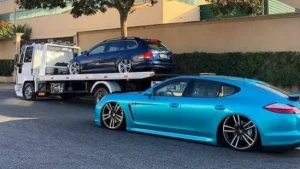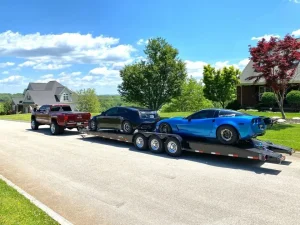

Enclosed car transport is designed for customers who want additional protection for their vehicles during transportation. Using a covered trailer, this service helps shield vehicles from direct exposure to weather and road debris. It can be a suitable option for classic cars, luxury vehicles, collectible automobiles, and other vehicles that require extra care during shipping.
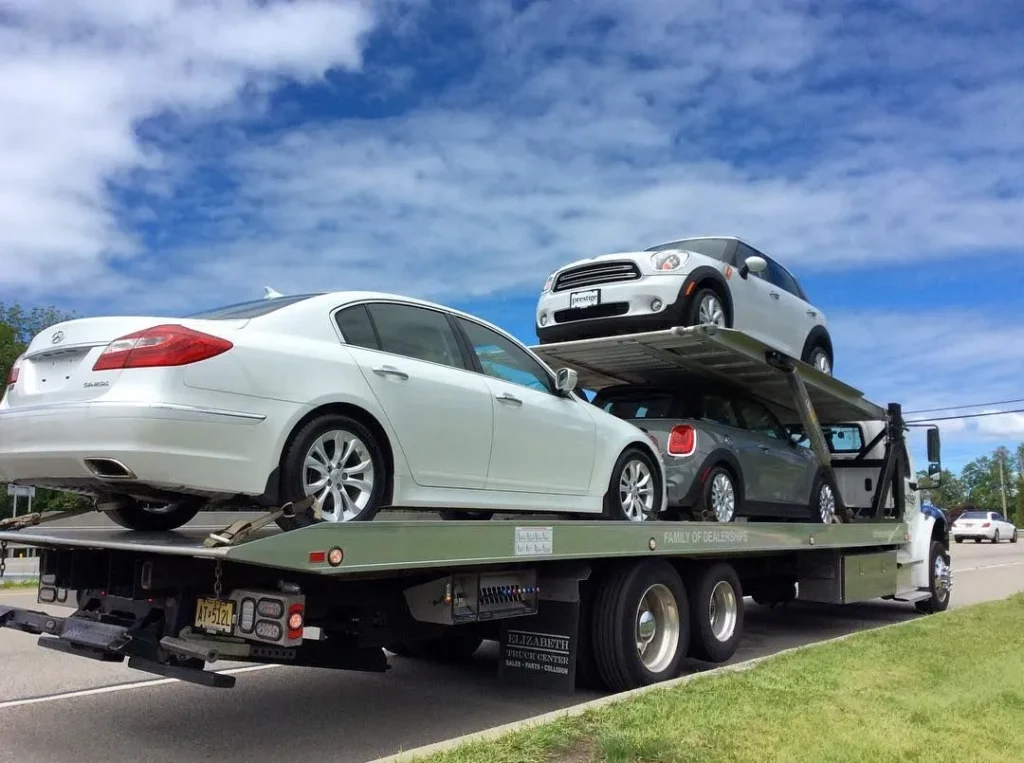
Some vehicles deserve special consideration when being transported over long distances. Classic automobiles, luxury cars, collectible models, exotic sports cars, and carefully restored vehicles may require additional protection beyond what an open carrier provides. Enclosed car transport offers an alternative for customers who prefer a covered transportation environment.
Suburban Vehicle Shippings helps customers explore enclosed car shipping options for eligible routes and vehicle types. Whether you are relocating a valuable automobile, purchasing a collectible car from another state, or arranging transportation for a vehicle that you prefer to keep covered, enclosed transport can help you plan the shipment around your priorities.
Enclosed car transport uses a specialized trailer with covered sides and a roof to transport vehicles. Unlike open carriers, enclosed trailers help reduce direct exposure to rain, dust, road debris, and other outdoor elements during transit.
Depending on the carrier and service arrangement, enclosed transport may use different loading systems and trailer configurations. The appropriate option depends on vehicle dimensions, ground clearance, weight, condition, and other transportation requirements.
Although a covered trailer provides additional environmental protection, it does not eliminate every possible transportation risk. Customers should still review carrier qualifications, applicable cargo insurance arrangements, inspection procedures, and the terms governing their shipment.
The most notable benefit is additional protection from the outdoor environment. Weather conditions can change during a long journey, and road debris can be encountered on many routes. Enclosed transport helps reduce direct exposure to these elements.
This can be especially valuable for vehicles with delicate finishes, specialized paintwork, restored bodywork, or collectible status. Owners may also prefer enclosed transportation when shipping a high-value vehicle that they do not want exposed on an open trailer.
Enclosed transport may offer additional handling options depending on the carrier. For example, some specialized carriers provide equipment suitable for vehicles with low ground clearance. These features are not universal, so customers should explain any special requirements before confirming a booking.
Enclosed shipping often costs more than open transport because specialized trailers generally have different operating costs and capacity constraints. The final quote depends on the route, vehicle, service requirements, and carrier availability.
Enclosed car transport may be appropriate for classic cars, exotic vehicles, luxury automobiles, collector vehicles, restored cars, and vehicles with specialized finishes.
It may also appeal to customers who place a high priority on reducing exposure to weather and road debris, even when transporting a relatively ordinary vehicle.
However, enclosed transport is not automatically necessary for every car. Many everyday vehicles are routinely transported on open carriers. Comparing the vehicle’s value, condition, protection requirements, budget, and delivery timeline can help you determine which option makes sense.
Start by sharing accurate vehicle information, including the make, model, year, dimensions if known, running condition, ground clearance, and any modifications. If the vehicle is inoperable, has special loading requirements, or contains aftermarket components, disclose those details before booking.
Photograph the vehicle’s exterior and interior where appropriate. Document existing scratches, dents, chips, and other visible damage. Remove personal belongings unless specific arrangements have been confirmed, and follow the carrier’s instructions regarding fuel level, alarms, keys, and accessories.
Before loading, review the vehicle’s condition with the carrier and retain the inspection records. Confirm how the vehicle will be loaded and unloaded if it has low clearance or other special requirements.
Enclosed transportation can be useful when a vehicle must travel between states for a relocation, sale, purchase, exhibition, or personal collection. Availability may vary by route, so arranging transportation in advance can help when you have a preferred pickup window.
Suburban Vehicle Shippings can help you explore your transportation requirements and understand the information needed to arrange an appropriate shipment.
Find answers to some common questions about car shipping and vehicle transportation.
Car shipping costs depend on the distance, vehicle size and condition, transport type, route, season, pickup accessibility, and scheduling requirements. Contact Suburban Vehicle Shippings at (361) 301-3706 for a quote based on your shipment details.
Open transport carries vehicles on open-air trailers and is commonly selected for standard cars. Enclosed transport places vehicles inside a covered trailer, offering additional protection from weather and road debris.
Door-to-door service depends on road access, local restrictions, carrier availability, and safety considerations. If a large transport truck cannot safely reach your exact address, a nearby accessible pickup or delivery point may be arranged.
Transit time varies according to the route, distance, weather, traffic, carrier schedule, and pickup or delivery conditions. Ask for an estimated timeframe when arranging your shipment and confirm how delays will be communicated.
Remove personal belongings and unnecessary accessories, clean the vehicle sufficiently to document its condition, secure loose components, and keep fuel at the level requested by the carrier. Photograph the vehicle before pickup and retain a copy of the inspection and shipping paperwork.